Paper's Journey Through Time
konyakagit

In 4000 BC, the ancient Egyptians discovered the first paper-like material (papyrus). Paper as we know it today was invented by the Chinese Ts'ai Lun in 105 AD. The invention of paper made the Chinese the most advanced culture at that time.

Until the 1700s, paper was made from old rags and scraps of cloth. In the early 1700s, French Rene Antoine Ferchault de Reaumur suggested that paper in the sense we use today could be manufactured from wood as well.

When the French scientist saw a wasp hive while walking in the forest and realized that the hive was made of paper, he began to study the bees. Wasps gnaw twigs and rotten logs into their mouths, mixing them with gastric juices and saliva and using them to build their hives. By studying the digestive system of bees, Reaumur discovered the chemicals used to make paper, and presented his invention to the French Royal Academy in 1719.
konyakagit
Cogeneration

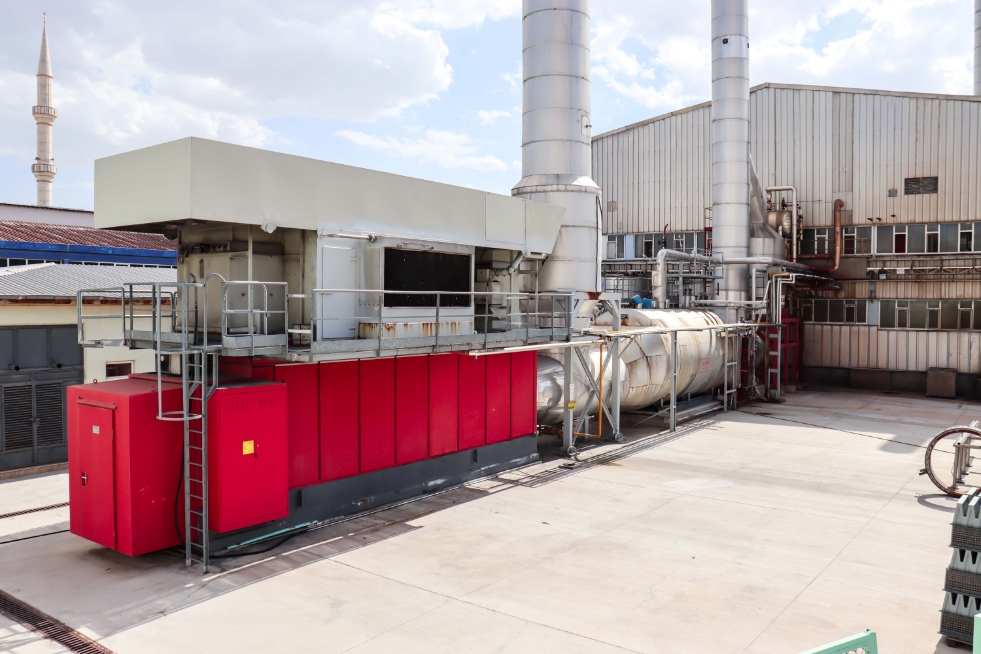
Our facility, which provides high energy efficiency with its low fuel consumption and efficient working principle, meets its electricity and steam needs from its 5.5 MWh (megawatt) cogeneration facility, which operates with natural gas with a lower emission value instead of solid fuels.

Quality, PEFC CoC, Environment Policy (FSC ®-C109284)

- To be the preferred brand with the quality of our products, by adopting the principle of customer satisfaction.
- To implement, control, continuously improve and ensure the continuity of our management systems with the participation of all our employees.
- To reduce the effects that may cause environmental pollution at the source, to recover them and to ensure their final disposal.
- To comply with approved national laws/regulations, international legal regulations and other administrative obligations regarding management systems,
- To provide individual responsibility and training to employees in order to achieve our management systems goals.
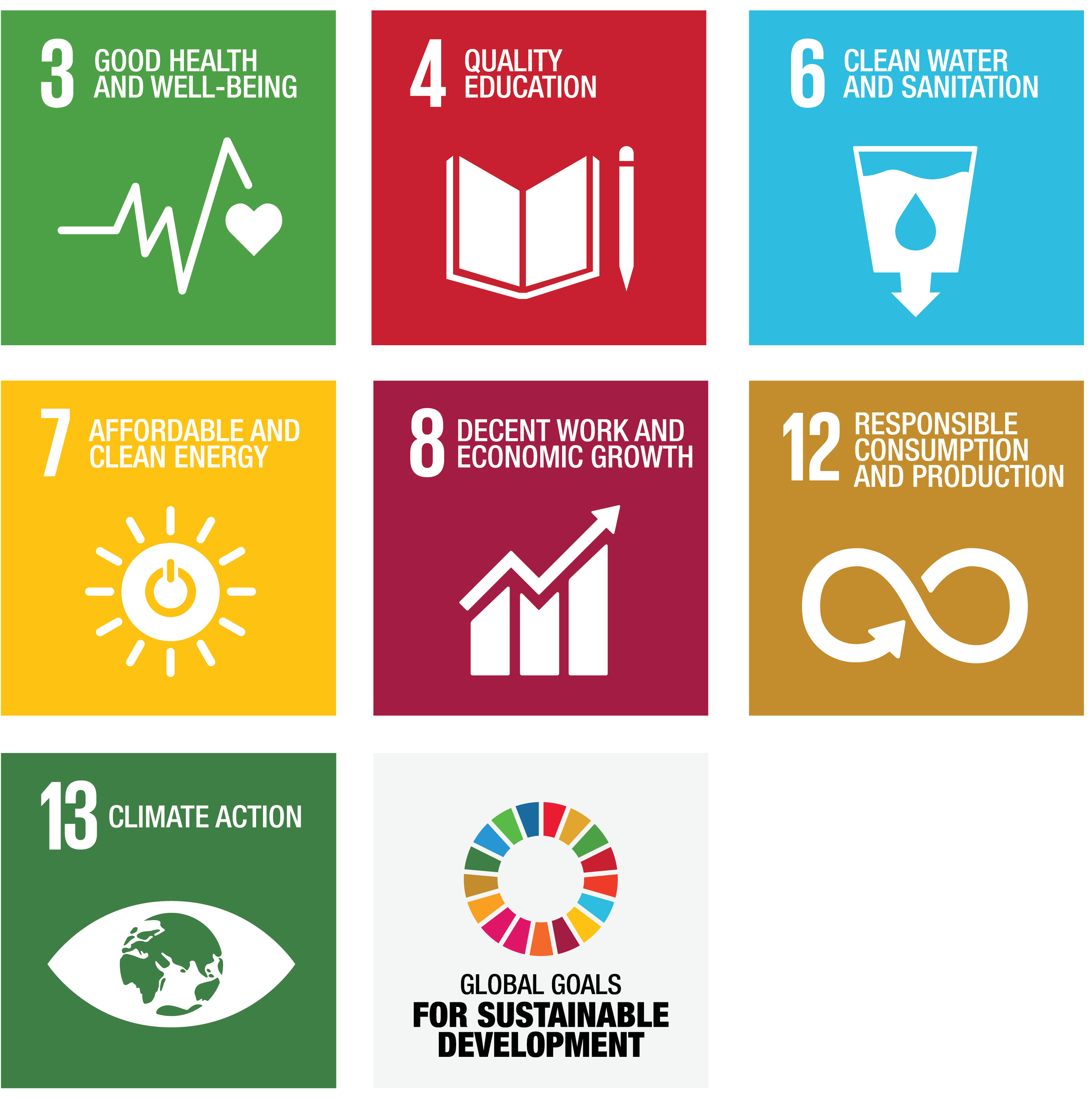
- To contribute to sustainable development by using environmental resources economically.
- To take precautions against harm to the environmental in cases of emergencies and accidents and to minimize the damages to occur.
- To work with an understanding that respects people and the environment, and protects nature, by informing our customers, suppliers and related parties about our management systems policy.
- To comply with approved national laws/regulations, international legal regulations and other administrative obligations related to management systems, climate change being in the first place.

Konya Kağıt San.Tic.A.Ş. holds following documents;
Quality Management System 9001:2015
Environmental Management System 14001:2015
Occupational Health and Safety Management System 45001:2018
Energy Management System 50001:2018
FSC ® (Forest Stewardship Council ®) FSC-C109284
PEFC (Chain of Custody of Forest & Tree Based Products) PEFC/54-31-00074

konyakagit
konyakagit
KONYA KAĞIT A.S. ENERGY POLICY

➢ To continuously increase our energy efficiency through improvements starting from high-power energy consumption points,
➢ To provide necessary information, training and resources to achieve our defined goals and objectives,
➢ Comply with the applicable energy legislation and fulfil our legal obligations,
➢ To keep our energy consumption in line with our working and production capacity and to work towards reducing it, to reduce our carbon emissions by maximising the use of by-product gases and waste heat,
➢ Prioritising the use of energy-efficient products throughout the production process,
➢ Increase resource diversity by prioritising green energy sources,
➢ Raise awareness of all our employees, subcontractors and suppliers on energy efficiency.


Konya Kağıt A.Ş. Environmental and Water Efficiency Policy

➢ To implement, monitor, continuously improve and ensure the continuity of our Environmental and Water Efficiency Management System with the participation of all our employees.
➢ To reduce, recover and ultimately dispose of impacts that may cause environmental and water pollution at source.
➢ To support the fulfilment of water efficiency targets and objectives through a holistic approach, developing processes to reduce water consumption.
➢ To provide employees with individual responsibility and training to achieve our management system objectives.
➢ To contribute to sustainable development by using resources sparingly and supporting projects that promote the use of efficient products, services and designs to ensure the continuous improvement of management systems.
➢ To take precautions against environmental damage in emergencies and accidents and minimise any damage that may occur.
➢ To work with respect for humans and the environment and with a nature-preserving approach by informing our customers, suppliers and relevant parties about our Environmental and Water Efficiency Management Systems policy.
➢ To comply with relevant approved national laws/regulations, international legal regulations and other administrative obligations in Environmental and Water Efficiency Management Systems, particularly regarding climate change.

konyakagit
konyakagit
Konya Kağıt A.Ş. Occupational Health and Safety Policy

To protect our employees from occupational hazards, to ensure the protection of the mental and physical health of our employees by carrying out necessary prevention and training activities;
Achieve the goal of zero work accidents and zero labour force loss,
Identify occupational health and safety risks and take necessary measures to minimise them,
Establishing an occupational health and safety culture, making it a lifestyle, and ensuring the participation of all our employees and stakeholders while creating this culture,
In this direction; We declare and undertake to meet the legal obligations, relevant standards and conditions on occupational health and safety.

konyakagit
AS KONYA KAĞIT FAMILY;

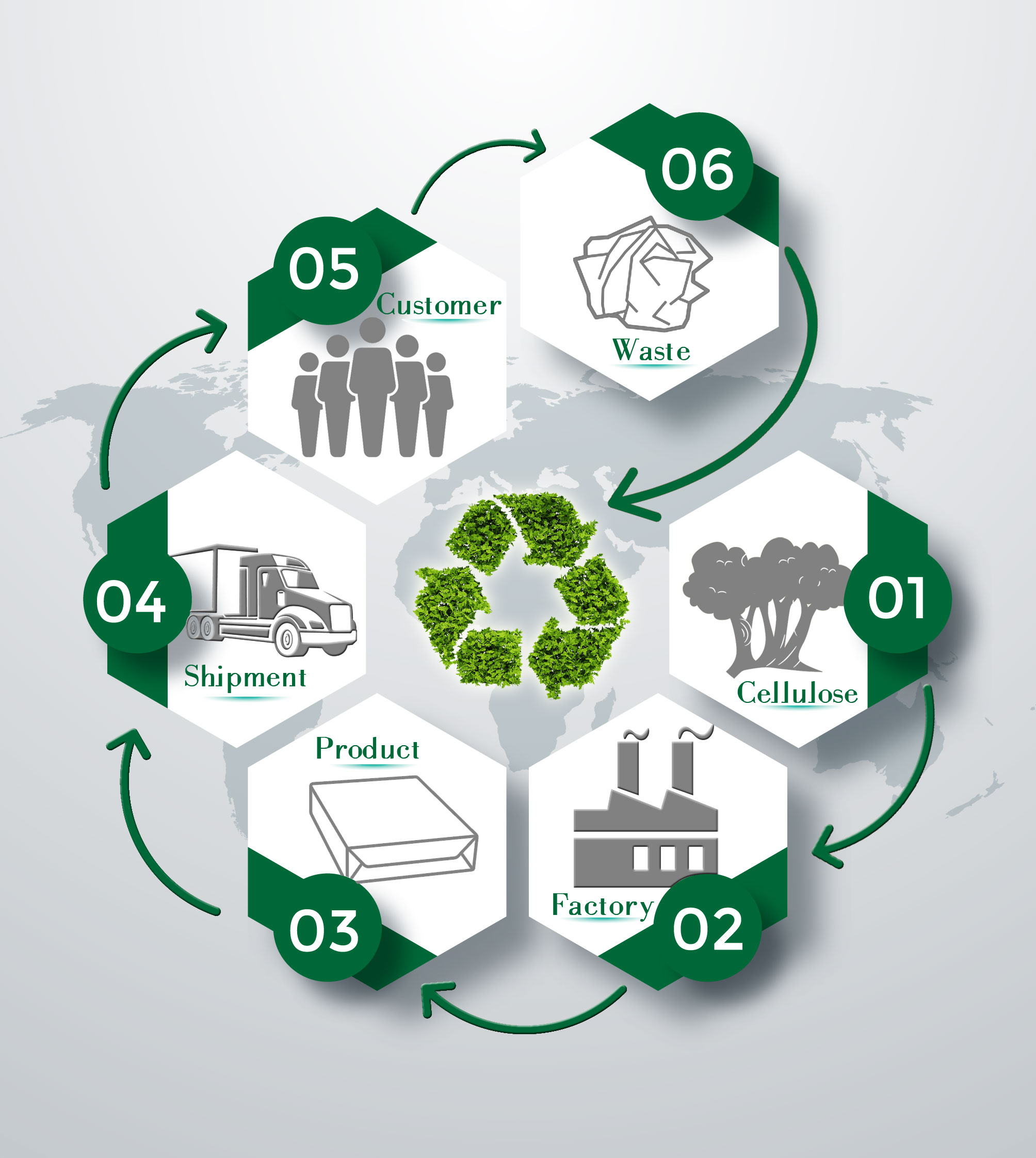
We produce our products within the environmental management system, using advanced technology, for a sustainable life in line with national and international legal regulations. In order to create a clean and healthy environment sensitive to climate change, we have created the life cycle of our products by using energy and natural resources efficiently. We determined the life cycle of our products as "Cellulose→ Factory → Product → Shipment → Customer → Waste → Recycling" steps.

GLOBAL GOALS
For sustainable development